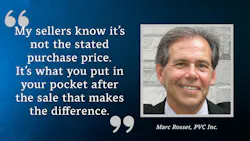
The sale of a company is often emotional, time‑consuming and fraught with uncertainty. Yet, according to one of the industry’s most respected acquisition consultants, it does not have to be that way.
For more than 36 years, Marc Rosset, founder of Professional Vending Consultants Inc., has specialized in bringing vending, OCS, coffee roasters and food service distributors together with their competitors.
With more than 350 completed transactions, we asked Rosset to explain his methodology — and the steps he takes to reduce stress, risk and disruption for both buyers and sellers.
A Unique Role in the Acquisition Process
“I don’t believe anyone in the country plays the same role I do,” Rosset explained. “I consider myself an intermediary. I’m asked to determine a fair, realistic value for a company, and then I’m responsible for finding the single best buyer willing to pay that fair price.”
Unlike traditional brokers, Rosset does not advertise, use the internet or publicly announce that a company is for sale. He believes this confidentiality is a major reason his deals between competitors succeed.
Strict confidentiality agreements and short‑term non‑compete commitments are required by both Rosset and any potential buyer before any information is shared. “I won’t show a buyer anything unless they agree to those terms,” he noted.
Rosset contacts only buyers he knows personally, has worked with before or who come highly recommended by trusted clients. “I’m standing between competitors — usually friendly, on occasion not — so I need to ensure everyone’s interests are protected.”
Because Rosset is typically compensated by both parties at closing, each side knows he is motivated to structure a deal that works for everyone. “Only fair deals happen,” he emphasized. “If one side becomes unrealistic, we stop the process.”
Remarkably, over 90% of the time, the first buyer he calls is the one who completes the transaction — a rare statistic in the world of mergers and acquisitions.
The First Step: Motivation and Valuation
Before taking a listing, Rosset must confirm two things:
- The seller’s true motivation to sell
- The company’s realistic value, based on dozens of criteria
He begins with a simple but revealing question: “Imagine we sold your business today. What are you doing tomorrow?”
If the seller has no answer, Rosset advises them to clarify their future before moving forward. “Seller’s remorse usually comes from people who never answered that first question,” he said.
Rosset is willing to make suggestions based on the seller’s past and his wish list for the future. He has also helped procure jobs for those who want to remain in the industry in some capacity.
His valuation model examines financial history, service area, account types, employees, equipment and many other factors. With or without visiting the company or its accounts, he can still form a detailed understanding of the operation.
“If you don’t know what you’re selling from the start, matching it with the right buyer is nearly impossible,” he said.
Rosset also evaluates whether the seller’s operation aligns with potential buyers. Older equipment, heavy reliance on management companies or SBA loan restrictions can all be deal‑breakers. If he cannot identify a strong buyer match, he simply will not take the listing.
“I’m not interested in listings that look good on M&A websites,” he says. “I’m interested in the right business combination and satisfied clients at closing.”
Information, Offers and Due Diligence
Once a seller is listed and a qualified buyer identified, Rosset requests detailed information in four categories:
- Financials
- Assets
- Customer data
- Employee data
- Warehouse data
Customer and employee names are never disclosed — only coded references such as “Customer #1.”
Early in his career, Rosset often received incomplete or handwritten information. To streamline the process, he now provides standardized spreadsheets and forms. “When you can answer most of the buyer’s questions before they have to ask, it builds confidence and speeds up the deal.”
After reviewing the information, Rosset advises the buyer on price, terms and timing. Because most buyers trust his judgment, initial offers typically align closely with his valuation, resulting in minimal negotiation.
A comprehensive but non‑binding Letter of Intent (LOI) follows. The only binding elements are confidentiality and non‑compete terms.
“People don’t respond well to pressure,” Rosset said. “The LOI outlines the deal without putting a hammer over anyone’s head.”
Historically, fewer than 5% of deals fall apart after the LOI — usually due to seller hesitation. “If someone changes their mind, I let them walk. I don’t force anyone into a deal.”
Getting to the Close
During due diligence, buyers verify the information they’ve been shown:
- Tax returns
- Collection data
- Sales tax filings
- Bank deposits
- Employees pay structures
- Contract details
- Lien searches and other
Most buyers are often competitors and already understand local pricing, suppliers and account potential. These understandings make a potential deal go quicker. Rosset’s reputation for accuracy also plays a key role.
To protect both sides, a 15 to 20% holdback of the purchase price is standard. This ensures account retention and validates sales numbers. If the buyer loses accounts due to changes THEY make — such as raising prices or reducing equipment — without the permission of the accounts, they remain responsible for paying the seller for those accounts.
Rosset emphasizes the importance of communication with employees and customers immediately after closing. He recommends meeting employees on closing day and personally visiting the top 10 to 15 accounts the next morning. “Customers don’t like surprises,” he warned.
Most transactions are structured as asset sales, with inventory, coin in machines, receivables and other items counted and paid for separately at or after closing.
A Final Word
Buying or selling one of these operations can feel overwhelming. Some operators view today’s acquisition activity as exciting; others find it intimidating. Rosset’s process demonstrates that — with the right guidance, structure and confidentiality — these transactions can be completed without unnecessary stress or risk.
Marc Rosset has been recognized as an M&A expert in these industries since 1993. He has transferred over $950 Million in revenue in over 350 separate transactions. And because of his lower-than-average commission structure, he does not want to be a burden on the deal. You can contact Marc at 312-654-8910; cell and text at 847-814-3939; or email at [email protected].