Branding, AI discovery and retention will shape operator success in 2026
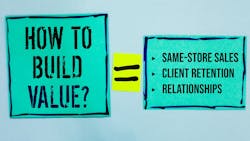
Convenience services operators have more tools than ever to grow their business — but according to consultant Orrin Huebner, success in 2026 will come down to how well operators use those tools strategically.
During a recent episode of Vending & OCS Nation, Huebner drew on his decades of experience as an operator, executive and acquisition participant and outlined practical strategies operators can apply immediately — from branding and AI discovery to same-store sales and retention.
Huebner’s perspective comes from working across every level of the business. Over a 25-year career working for others, he moved from operational roles into leadership before eventually becoming an owner. After building and selling one company and launching another startup that was later acquired, he spent nearly a decade working inside a large national operator. That combination of independent-operator experience and corporate strategy gives him a unique vantage point.
“I’ve been on both sides,” Huebner said. “As an independent, you’re going 100 miles an hour, 100 hours a week and reinvesting every dollar back into the business. But when you work for a large company, you see different strategies and processes. The key is blending the best of both worlds.”
For operators planning their next phase of growth, Huebner emphasized several areas that deserve immediate attention.
Start with brand clarity
Huebner believes many operators underestimate the importance of brand positioning.
A brand is not just a logo or company name, he said. It is the story operators tell about their service, reliability and value to customers.
Operators should ask themselves several questions:
-
What does our brand stand for?
-
What story are we telling customers?
-
Are we delivering a clear message across every channel?
“If your message isn’t clear, it won’t be received,” Huebner said.
He noted that effective branding often starts with a simple, memorable promise that communicates the operator’s value proposition. But branding also requires consistency. The message must be reflected not only in marketing materials but in service performance, customer communication and daily operations.
“You have to live the brand,” Huebner said.
Build a strategic plan for business development
Huebner also urged operators to approach sales and growth with a structured plan. Using a football analogy, he noted that teams enter every game with a defined playbook.
Operators should do the same when planning their growth strategy for the year, he said. Key planning questions include:
-
What are our business goals for 2026?
-
How does our strategy differ from last year?
-
Which markets and industries should we target?
-
What messaging will resonate with those prospects?
5 questions operators should be asking themselves in 2026
Consultant Orrin Huebner says many convenience services operators focus heavily on landing new accounts without first defining a clear strategy. Before chasing growth, he recommends answering five fundamental questions.
1. What is our brand?
Is your message clear and consistent across your website, sales materials and customer communication? A brand is not just a name or logo. It is the promise your company delivers every day.
2. What is our plan for 2026?
Like a football team entering a game with a playbook, operators should define their targets, industries and sales approach before pursuing new accounts.
3. What does our own data tell us?
Look at your client base. Which accounts grew last year? Which declined? Those patterns can guide both sales strategy and account expansion.
4. How can we grow same-store sales?
Opportunities often exist within existing accounts, including adding office coffee service, water systems, pantry service or converting vending locations to micro markets or smart stores.
5. What is our retention rate?
Retention may be the most important metric operators overlook. Knowing the percentage of accounts you keep each year provides a clearer picture of real growth — and can become a powerful selling point.
Too often, operators rely on traditional “door-knocking” tactics without analyzing where they are most likely to succeed.
Instead, Huebner recommends studying past performance — including which accounts have grown, which have declined and which industries show the strongest opportunity.
“Don’t just throw things against the wall to see what sticks,” he said.
SEO gets you in the game, but AI discovery may win it
Many operators focus heavily on search engine optimization (SEO) when trying to generate new business. Huebner said SEO still matters, but its role is often misunderstood.
“SEO gets you in the game,” he said. “It gets you into the top few results so a prospect can find you.”
But a new factor is emerging: AI discovery.
Instead of searching Google, more buyers are turning to AI platforms such as ChatGPT and other generative tools to identify vendors and service providers.
According to Huebner, operators who actively publish content across multiple channels are more likely to appear in those results.
Key steps operators can take include:
-
Maintain an active presence on platforms such as LinkedIn and other social channels
-
Publish blog posts and company updates
-
Participate in podcasts and webinars
-
Share stories about successful client installations
AI platforms aggregate that content when generating responses.
“AI discovery is SEO on steroids,” Huebner said.
Operators who consistently publish content and communicate their story online will be more visible to prospects when they search on AI platforms.
Use AI to drive same-store sales
Beyond marketing, Huebner sees significant opportunities to use AI tools to strengthen relationships with existing customers. Automation can help operators maintain regular communication and increase recurring revenue without adding staff.
Examples include:
-
Automated reminders for coffee and supply orders
-
AI-generated emails about new services or equipment
-
Notifications about upcoming service visits or preventive maintenance
-
Automated outreach offering additional products during service visits
These tools can help operators increase revenue from current clients while improving service responsiveness.
“It’s not that expensive to set up, and you don’t need to be a programmer,” Huebner said.
Focus on same-store sales before chasing new accounts
While many operators prioritize new business, Huebner believes the biggest opportunity often lies within the existing client base. Operators should continually evaluate ways to expand services at current locations.
Potential opportunities include:
-
Adding office coffee service to a vending account
-
Installing water or ice systems
-
Converting vending locations to micro markets or smart stores
-
Expanding pantry service or refreshment programs
By building deeper relationships and increasing services per location, operators can drive revenue growth without the higher cost of acquiring new accounts.
It's important that people in this industry focus on retention. That’s how you’ll grow, and that’s how you’ll get to be a better business.
- Orrin Huebner
Create case studies from your own success
One of the most effective sales tools operators can develop is their own internal case studies.
When an operator converts a vending location to a micro market or smart store, the results can provide valuable insights for future sales conversations. Operators should document:
-
The original situation at the location
-
The service upgrade that was implemented
-
Revenue and engagement results
-
Lessons learned from the transition
That information can strengthen credibility when presenting solutions to prospective clients.
“You’re telling a story with data,” Huebner said. “That makes you the subject matter expert.”
Retention may be the industry’s biggest growth lever
Perhaps Huebner’s strongest message for convenience services operators was the importance of retention. Many companies focus heavily on adding new accounts but fail to track or prioritize retention performance.
“Retention is more important than growth,” Huebner said.
He pointed out a common scenario: an operator adds $2 million in new business each year but fails to grow overall revenue because existing accounts are leaving at a similar rate.
Key retention strategies include:
-
Strengthening relationships with decision makers
-
Monitoring customer satisfaction and service performance
-
Increasing same-store sales through additional services
-
Tracking retention metrics regularly
Huebner believes every operator should know their retention rate.
“A question you should ask at industry events is simple: ‘What’s your retention rate?’” he said.
Operators who maintain strong retention often have one powerful marketing advantage: they can promote that success directly to prospective customers.
“A 98% retention rate is a great brand statement,” Huebner said.
The bottom line for operators
For convenience services operators planning their 2026 strategy, Huebner believes the industry has reached a new level of capability. Technology, data and shared industry knowledge have expanded what operators can accomplish. The key now is putting those tools to work with a clear strategy and disciplined execution.
“We’ve come so far as an industry,” Huebner said. “The question now is how we use all those tools to build stronger businesses.”
Tune into the podcast

About the Author

Bob Tullio
Bob Tullio is a content specialist, speaker, sales trainer, consultant and contributing editor of Automatic Merchandiser and VendingMarketWatch.com. He advises entrepreneurs on how to build a successful business from the ground up. He specializes in helping suppliers connect with operators in the convenience services industry — coffee service, vending, micro markets and pantry service specifically. He can be reached at 818-261-1758 and [email protected]. Tullio welcomes your feedback.
Subscribe to Automatic Merchandiser’s new podcast, Vending & OCS Nation, which Tullio hosts. Each episode is designed to make your business more profitable.