What does it take to make pantry work? Bob Tullio is asking at CTW
There are two reasons I am particularly excited about NAMA’s 2026 Coffee, Tea & Water event (CTW) in Austin, Texas, November 18-19.
First, I have the privilege of returning as the emcee. After a terrific experience at CTW in Miami last year, I am looking forward to another opportunity to connect with attendees and take a deeper dive into a business I know and love — office coffee service.
For me, that means much more than introducing speakers. It means listening, asking follow-up questions and helping bring practical ideas into focus. I want attendees to leave with something they can use when they get back to their businesses.
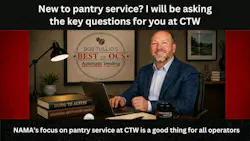
The second reason I am excited is because of a CTW learning journey track that immediately caught my attention: “New to Pantry Services.” Increasingly, I get calls from operators interested in pantry services but unsure how to begin. Their questions usually come down to this: “How do I get started, and how do I make it work?”
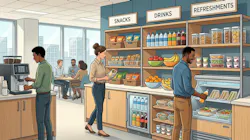
They understand the basic concept. The employer pays the operator for refreshments, and employees enjoy them without reaching for their wallets. It sounds simple, but understanding the concept and building a profitable, manageable service are two different things.
Typical questions I hear:
- What should you charge?
- How do you control consumption?
- What products belong in the program?
- Why would you change an unattended retail account that already generates a dependable return?
Those are reasonable questions. They deserve answers from industry experts operating on the front line.
That is my mission at CTW. I plan to seek out speakers participating in this learning journey, along with experienced operators and other industry professionals, to collect their insights on these 10 questions.
1. When is pantry the right solution, and when is a subsidized micro market a better fit?
Does everything need to be free to deliver the workplace benefit an employer wants? Suppose an employee pays 25 cents for a beverage and the employer covers the balance. Could that small contribution help manage consumption and protect the budget? I want to understand when a fully funded pantry makes sense and when a subsidized market offers a better balance.
2. How do you start the pantry conversation with a customer?
Who should be involved, and what should an operator ask first? Before proposing snacks and beverages, how do you uncover the employer’s goals? The customer may be thinking about recruiting, employee satisfaction, convenience or bringing people back to the office. How do we connect the service to what matters to that particular employer?
3. Why change an unattended retail account that is already profitable?
If a vending or micro market customer delivers a nice, steady return, what is the business case for introducing pantry? Is the opportunity to expand spending, strengthen the relationship or serve more employees? When should an operator conclude that the existing arrangement is already the right one?
4. Are pantry margins much lower than unattended retail? How should the service be priced?
How do the economics compare with unattended retail after accounting for delivery, stocking, labor and administration? I want experts to explain realistic margin expectations and the advantages of different pricing structures, including product markups, service fees and even minimum guarantees.
5. How do you establish a realistic customer budget?
Is there a useful starting point based on spending per employee, per occupied workday or per month? How do attendance patterns, hybrid schedules and the scope of the offering affect that calculation? Most importantly, how do you set expectations so the customer understands what the budget will deliver?
6. How do you keep consumption and spending under control?
What happens when a popular product disappears much faster than expected? I want to know how experienced operators monitor usage, set replenishment limits and communicate with customers before spending becomes a problem. What controls belong in the original agreement, and how do you preserve a generous employee experience within a defined budget?
7. What belongs in the initial product selection?
Should a new pantry program lean heavily on familiar national brands, or do local, specialty and unusual products create more excitement? What is the right balance of snacks, beverages, healthier choices and indulgences? I also want to know how operators accommodate dietary preferences without making the assortment unnecessarily complicated.
8. How do you keep the selection interesting?
A program that generates excitement on opening day can become routine. How often should operators rotate products, introduce seasonal items or offer tastings? What is the best way to gather employee feedback and how do you act on it without allowing every individual request to become another inventory item?
9. Should a customer start with pantry “training wheels”?
Could a limited assortment and a defined pilot period help both sides learn before making a larger commitment? That approach sounds sensible, but what should the pilot include? How long should it run, and what results would justify expanding it?
10. What must an operator have in place before launching the first account?
Beyond buying products, what does readiness look like? I want to hear about agreements, reporting, delivery schedules, staffing and customer communication. What are the mistakes experienced operators wish they had avoided and what would they insist a newcomer address before promising the service?
I am heading to Austin with questions because these are the questions operators are asking me. After CTW, I plan to bring what I learn to a dedicated episode of Vending & OCS Nation: “Getting Started in Pantry Service: Insights From CTW.”
My goal is to turn those conversations into practical guidance that helps an operator take the next step with greater confidence. Do you have pantry service questions you’d like me to ask at CTW? Send them to [email protected].
Hopefully, I will see you at the CTW in Austin on November 18 and 19.
About the Author
 Bob Tullio
Bob Tullio
Bob Tullio is a content specialist, speaker, sales trainer, consultant and contributing editor of Automatic Merchandiser and VendingMarketWatch.com. He advises entrepreneurs on how to build a successful business from the ground up. He specializes in helping suppliers connect with operators in the convenience services industry — coffee service, vending, micro markets and pantry service specifically. He can be reached at 818-261-1758 and [email protected]. Tullio welcomes your feedback.
Subscribe to Automatic Merchandiser’s new podcast, Vending & OCS Nation, which Tullio hosts. Each episode is designed to make your business more profitable.