GLP-1 adoption reshapes snack demand vending and micro markets
Snack trends tied to weight loss are shifting toward nutrient density, creating new assortment and merchandising pressures for vending, micro market and convenience services operators.
A atym survey of 1,000 U.S. adults who said they tried to lose weight in the past six months found consumers prioritizing health outcomes and daily diet changes over appearance-based goals. In the survey, 82.7% said they changed eating habits or adopted a diet plan, compared with 38.3% who started a new workout routine.
Snacking, however, is where many respondents said they are making the most visible cuts. More than half (53.2%) reported snacking less than they used to, and the biggest pullbacks were in sweet snacks (41.4%), frozen snacks (40.2%) and salty snacks (37.3%). At the same time, respondents said they are eating more fruits and vegetables (52.1%), protein snacks (42.4%) and dairy products (25.5%).
For convenience services channels, the report suggests the impulse mission remains. Snacking behaviors are persistent for many consumers, with 38.5% reporting they snack once a day and 25.7% snacking multiple times a day. At the other end of the spectrum, 2.3% reported snacking less than once per week, and only 2.8% said they rarely or never snack.
At the same time, the “default” snack basket is changing. While the survey included at-home snacking, the overall shift toward healthy convenience is reflected in convenience retail as well. Consumers pointed to fruits and vegetables (52.1%), protein snacks (42.4%) and dairy products as their go-to swaps for snack time.
This research shows consumers editing their pantry with intent. They are cutting back on traditional indulgent snacks, leaning into protein and produce, and expecting more transparency in food labeling. -- Stephanie Vance, aytm
The survey also points to more competition from the home kitchen. Nearly half of respondents (47.7%) said they are cooking or eating at home more often to control intake.
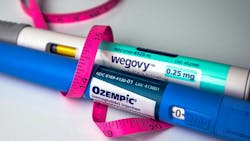
Prescription weight-loss medications are another factor shaping snack demand. Among respondents who said they use prescription weight-loss medications or supplements, 72.7% reported taking a glucagon-like peptide-1 (GLP-1) medication, and 80.6% said they plan to continue long term. In the report, GLP-1 users also reported high satisfaction, which respondents tied to reduced cravings and reduced “food noise.”
What this means for convenience services operators
- Nutrient density is becoming the new decision shortcut, increasing the value of protein-forward and produce-adjacent options in micro markets and smart markets.
- Operators may need to evaluate and rebalance product mixes toward protein snacks, dairy-based options and better-for-you items for locations with health-conscious consumers.
- In micro markets, consider adding quick-read shelf labels that highlight protein-forward and produce-adjacent items to appeal to GLP-1 users.
- Winning the “better snack” sales can lift repeat purchases even if consumers snack less often overall.
About the Author
 Linda Becker
Linda Becker
Head of Content
Linda Becker is head of content for Automatic Merchandiser and VendingMarketWatch.com, responsible for the brands’ overall content strategy, planning and performance. She oversees the creation and performance of editorial and multimedia content across platforms such as magazines, websites, webinars, podcasts, newsletters, videos, social media, events and eBooks.
Since joining Automatic Merchandiser and VendingMarketWatch.com, Linda has developed a new appreciation for the convenience services industry and its essential role. She is dedicated to serving readers by covering the latest news in the vending, office coffee service and micro market industry. She can be reached at 262-203-9924 or [email protected].