As GLP-1 use influences snacking choices, operators should lean into smart snacking options
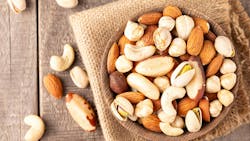
New clinical research suggests that replacing common high carbohydrate snacks with mixed tree nuts may help young adults manage cravings and improve overall diet quality, without increasing calories or body weight. A recent study found that replacing high carbohydrate snacks with mixed tree nuts increased the study participants' GLP-1 levels naturally.
Convenience services operators can use this information when making product merchandising decisions in micro markets and vending. About one in eight adults (12%) reports currently taking a GLP-1, according to a KFF Health Tracking Poll, and the Trump administration recently announced plans to reduce GLP-1 drug prices.
For locations with clientele interested in healthy eating habits, using the study findings to test and implement tree nut and other high protein options may make sense. For instance, snack-sized mixed tree nut products could be offered in place of some high carbohydrate items, featured in better-for-you sets at eye level and near coffee or beverage placements. Operators also could consider adding simple signage that highlights the study’s key takeaways on cravings and diet quality for adult snackers.
The randomized study, conducted at Vanderbilt University Medical Center and published in Nutrients, followed 84 men and women ages 22 to 36 for 16 weeks. Most participants were overweight or obese and had at least one risk factor for metabolic syndrome, such as abdominal obesity, elevated triglycerides, low high-density lipoprotein (HDL) cholesterol, high blood pressure or elevated blood glucose.
Participants were assigned to consume about 1 oz of mixed, unsalted tree nuts or a carbohydrate-rich snack twice a day between meals. The nut mix included almonds, cashews, hazelnuts, macadamias, pecans, pistachios and walnuts. Both snack options were matched for calories, protein, fiber and sodium and were incorporated into a repeating seven-day weight maintenance menu for the duration of the study.
After 16 weeks, the tree nut group reported reduced cravings for items such as pizza, cookies, brownies, doughnuts, candy, ice cream and chips. They also reported eating frozen desserts and salty snacks less often while increasing the number of daily servings of high-protein foods.
The study found that decreased cravings for sweets in the tree nut group was associated with higher blood levels of glucagon-like peptide-1 (GLP-1), a hormone involved in appetite and blood glucose regulation. In contrast, participants in the high carbohydrate snack group showed a trend toward increased hunger and lower fullness ratings.
About the Author

Linda Becker
Head of Content
Linda Becker is head of content for Automatic Merchandiser and VendingMarketWatch.com, responsible for the brands’ overall content strategy, planning and performance. She oversees the creation and performance of editorial and multimedia content across platforms such as magazines, websites, webinars, podcasts, newsletters, videos, social media, events and eBooks.
Since joining Automatic Merchandiser and VendingMarketWatch.com, Linda has developed a new appreciation for the convenience services industry and its essential role. She is dedicated to serving readers by covering the latest news in the vending, office coffee service and micro market industry. She can be reached at 262-203-9924 or [email protected].