Carolina Food Co. redirects surplus campus food to students
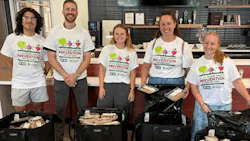
Surplus food from campus retail locations, dining halls and catered events is being directed to University of South Carolina students through three food recovery programs, allowing excess food prepared for campus dining and catered events to serve students even when it goes unused during its intended service.
At the University of South Carolina, Aramark Collegiate Hospitality’s Carolina Food Co. works with campus partners to recover that surplus and redistribute it to students. The efforts include student volunteers who collect eligible surplus food from Carolina Food Co.’s residential and retail dining locations.
Since spring 2025, the campus Food Recovery Network has recovered approximately 12,000 lb of food across the university, according to Aramark. Nearly all donations originated from Aramark’s Carolina Food Co. dining locations.
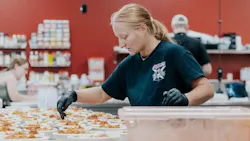
Via another initiative, Feed the Flock turns surplus prepared food into ready-to-eat meals through a partnership between Aramark and the university’s College of Hospitality, Retail and Sport Management. The program has provided approximately 5,000 meals for the Gamecock CommUnity Shop while diverting more than 7,500 pounds of food from the waste stream. It draws food from dining halls, catering events, culinary classes, Greek Village, athletics and other campus sources.
A third program, Garnet Bites, connects students directly with surplus food after catered events. Registered participants receive notifications when food is available and can pick it up while it remains within established food safety parameters.
“Rather than relying on a single solution, we worked with campus partners to develop multiple approaches based on where the surplus originates: from catered events and dining halls to retail locations,” said Faren Alston Wells, Carolina Food Co. marketing manager.
Together, the programs aim to reduce food waste while expanding students’ access to nutritious food, according to Aramark.