To Ensure Satisfaction, Make Sure to Give Customers Correct Heating Instructions
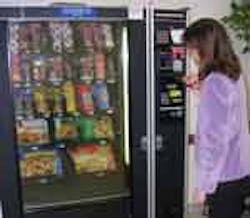
Frozen food products have increased significantly in recent years. Packages that don't provide comprehensive heating directions can result in an unsatisfactory experience. Operators need to know the correct heating requirements for all their frozen food.
The improved quality and variety of frozen food has given vending operators a big advantage in competing against quick serve restaurants and brown baggers. Up and coming vending operators welcome the new varieties of bacon cheeseburgers, egg rolls, stir fry platters and burritos -- more and more of which bear national and even restaurant brand names.
Fine and good. No one will argue that the trusty frozen hamburger, heated according to the manufacturer's recommended heating time, tastes great! Customer satisfied! Location intact!
But wait. Last week the microwave began to malfunction. Johnny put the burger in and it didn't come out steaming hot. So he put it in again for another minute and steaming hot it was. Good and hot, so he thought. But when he bit in, the entire lunch room heard the sound of his teeth grinding through the charred bread -- until into the trash can it went. Satisfied customer no more. Later that day, Johnny told five of his co-workers about his experience.
The names have been changed, but the story is true. Today's food offerings give operators more options than ever, and the availability of frozen food machines has opened up even more opportunities. But with more products and machines available, so are the chances for improper heating and unsatisfactory customer experiences. One set of heating instructions won't cover all possibilities.
Operators and manufacturers need to learn more about heating
An informal survey of both vending operators and frozen food manufacturers indicates a weak understanding of the circumstances by which most consumers prepare precooked food. Operators reported a wide variance of microwave power level in use. Product manufacturers offered no consensus on whether or not consumer or commercial ovens are more prevalent in vending locations.
The overwhelming majority of operators interviewed were not aware of how many of their food packages give heating instructions, let alone how many offer instructions for both refrigerated and frozen heating. Even operators who pride themselves on the quality of their food expressed total ignorance of heating instructions on their food packages.
Many operators and manufacturers claim that consumers in general are familiar enough with microwave heating, and are able to figure out how long a product should be heated. However, the increasing number of frozen food machines, coupled with the growth in products, has raised the bar for potential errors. Fifteen seconds of excessive heating can turn epicurean nirvana into gastronomic Armageddon.
To be fair to both operators and manufacturers, even culinary experts sometimes disagree on how long any particular item should be heated. If the experts can't always agree, how can operators know what to do?
Froze versus thawed, pros and cons
"There is no reason that a sandwich can't be cooked from frozen, but it is hard to say what the quality will be as it takes different amounts of time for the various ingredients to thaw and heat, whereas when it is thawed, they will all warm at a more consistent rate," said Sarah Risch, Ph.D., consultant to the Chicago-based Institute of Food Technologists and former director of research and development at Golden Valley Microwave Foods Inc.
"In general, freezing will maintain better tasting products," she added. "I think it is important for vendors to talk to their suppliers or get back to the actual product manufacturer to understand how the product was developed and what testing was conducted to ensure the safety and quality of the product."
Learn individual heat requirements
As challenging as the task might be, it is one that operators can't afford to ignore. Operators have long recognized that the quality of their food is one of the most important factors that distinguishes a company from its competition.
Operators simply need to understand how long each product they use is intended to be heated, at what temperature, and to make these instructions available to the consumer. Not all packages have sufficient instructions.
Instructions should be comprehensive
Packages should indicate the proper heating time for a specific microwave power level. The consumer should also be informed, either on the package or on the machine, that microwave oven power varies, and they should adjust based on the product's recommended heating time.
One option is to test each product internally before placing it in a machine.
Take A Break Service Inc., based in Escondido, Calif., has paid more attention to providing proper heating instructions than most operations. Don Blotner, a consultant to the company, said that in addition to including recommended heating times on the labels for all food produced in the commissary, their microwave ovens are labeled to indicate suggested heating for different types of products.
Color-coded heating buttons
In break rooms with refrigerated machines, the microwave oven buttons are identified for heating popcorn, pastries and different sandwiches, Blotner said. The company takes into account the power of the oven, too. If the location has a 600-watt oven instead of a 1,000-watt oven, the buttons are labeled accordingly, to account for different heating times due to higher or lower wattage, he said.
Take A Break has only a handful of locations where there are both frozen and refrigerated food machine in the same bank, and where that does occur, no item will be in both machines. This way, the heating time labels still indicate the proper time needed to heat properly, Blotner said.
When operators add a frozen machine to a bank that already has a refrigerated machine, there is often a tendency to reserve the refrigerated machine for fresh items. Operators need to realize, however, that not all frozen food is intended to go in a frozen machine, and many products taste better heated from a thawed state.
Every year, more operators look to frozen food machines as a way to offer food to smaller accounts that can't justify service every one to three days. A big advantage frozen machines offer is reduced spoilage.
Frozen machines are increasing
When Todd Elliott, co-owner of Tomdra Vending Inc., Tucson, Ariz., began offering frozen machines 10 years ago, he put signs on the machines advising consumers how long to heat the food. He likes the fact that there are more national name brand products available for the frozen machine.
Automat Vending Inc., Yakima, Wash., got into frozen machines to vend ice cream, but has since replaced most ice cream with entrees, noted Jeff Hemp, general manager. In some captive locations, he is vending large TV dinners for $6. A 1,000-watt oven will heat this to perfection in 3.5 minutes.
The packages were designed for retail, and have heating instructions from a frozen state.
Frozen machines offer benefits
Hemp likes frozen machines because there is no waste. In locations where fresh products are also needed, he makes sure different products go into the refrigerated machine. That way, there's no confusion about heating time. The company has decreased its use of fresh food from 60 percent to 10 percent.
Hemp doesn't argue with those who say that food tastes better heated from a slackened state than a frozen state. But for him, the advantages far outweigh this lone disadvantage.
Most food manufacturers agree that the less time a product needs to be heated, the better. This is because less time needed means less time for error, less chance of uneven cooking, and the faster the consumer can be served.
Some manufacturers pointed out that their products are not intended to be heated from a frozen state.
"The first thing that you should do is make certain that the products you are placing into a frozen machine have frozen cooking directions," said Steve Carvel, national sales manager at Buddy's Kitchen Inc. "Eliminating the guesswork is a good first step."
Buddy's Kitchens only wants its grilled sandwiches and its new breakfast entree (mini omelets) in frozen machines, Carvel noted.
He advises that all products be tested first. "Even if the product has frozen heating instructions, the item might be better suited for heating only as a refrigerated item. Look for buns, breads and enrobed items that come out of the microwave hard as a rock," he said.
Terry Frontino, general sales manager at Better Baked Foods Inc., which markets French bread pizza products for both refrigerated and frozen machines, agreed that operators need to know what state the product is intended to be heated from. His products give instructions for both a thawed and frozen state, and notes consumers should take into consideration that microwave ovens cook at different heat levels.
"If you don't have the right ingredients and preservatives in the product, it's not going to preserve its integrity," Frontino said.
Some products are refrigerated only
"By heating from the thawed state, it gives a slightly better product," said Dan Yost, vice president of sales and marketing at Bridgford Foods Corp.
Dale Dearstyne, national sales manager for vending and retail at Deli Express Inc., said products such as his that have extended shelf life are intended for refrigerated machines only. He said precision timing is not as critical for heating from a slackened state as a frozen state. The packages specifically state that the product needs to thaw before being heated.
Jan Brooks, quality assurance manager at Made-Rite Sandwich Co., said entrees with salad spreads will not heat evenly over a long period of time due to the migration of moisture. "Once you're dealing with bread it is very tough to get it consistent," she said.
Some products can go either way
Erin Shannon, marketing supervisor at White Castle Distributing Inc., said her products also come out better from a refrigerated state, but they also taste good from frozen, mainly because of the way in which they are prepared. "The meat patty is steamed to the bottom of the bun," she said. "It translates well to freezing and microwaving."
Todd Purnell, president of Purnell's Old Folks Sausage Co., said his products can offer the same quality either way, but that there is a greater chance of overcooking from a frozen state.
Landshire Inc. products are intended to be thawed before heating, noted Ken Landreth, director of vending sales, even though they can be heated from a frozen state. "Most people realize when you microwave from frozen, it's not going to come out as well as from a thawed state," he said.
Pierre sandwiches heat better from a refrigerated state, said Leslie Veldhuis, vending category manager. In a frozen state, there is more of a danger of the bun getting overcooked. The company does make appetizers that heat well in both frozen and refrigerated applications. These items have no bread.
Schwan's Food Service Inc. is developing more entrees for the frozen machine, said Jodi Baron, national sales manager for vending. The packages indicate how long the products should be heated both ways.
Package can affect heating
Some Schwan's products come in susceptor trays, which consist of a mylar surface that helps to focus the microwave on a certain area, such as the bottom crust. Most of these susceptor trays have holes in them, creating an air pocket below the tray, allowing for the venting of moisture.
Hot Pockets? and Lean Pockets? from Nestl? FoodServices-North America can be used in both refrigerated and frozen machines. The packages have instructions for heating from a refrigerated state. Company spokesperson Kathy Lenkov said there is no difference in product quality when heated from a frozen state, provided the consumer adjusts for extra heating time.
Self Serve Foods Inc., which produces Michelina branded entrees, instructs operators to only use frozen merchandisers, according to Chris Murray, category manager for vending. This holds true for the company's submarine sandwiches. The sandwiches are formulated to heat in 60 to 70 seconds from a commercial microwave oven.
Kraft Foods' heat and serve products are for heating from a frozen state, according to Tim Rech, business director of Kraft Foodservice.
Ingredients can make a difference
Alan Berliant, president and CEO of Best Express Inc., said most products taste better from a slackened state, but not all products.
Products that heat better from a frozen state include egg rolls and other Oriental entr?es, he said, since they have a lot of vegetables. He agreed that meat patties and breakfast items with sliced meat taste better from a thawed state. However, he said meat patties with cheese heat well either way.
"As a rule of thumb, you're better off reheating a thawed product than a frozen product, but that's a pretty broad thumb," said Pat O'Keeffe, director of food services at High Food Services Ltd., a vending/foodservice provider based in Lancaster, Pa. He said some products, such as chicken pot pie, which his company packages in a special wrapper, will come out gooey if heated from a thawed state.
As frozen entr?es designed for frozen machines increase, what about putting these items in refrigerated machines? Most manufacturers discourage this.
But one expert, Ken Darling, corporate chef at Hershey Food Services, said there are some exceptions to this rule. Entrees formulated for refrigeration with enough starch in them can be heated from a refrigerated state. The starches and gums will help to suspend moisture. The operator would need to reduce the heating time from 7 minutes from frozen to 3 minutes from refrigeration to achieve the desired result.
Darling, who demonstrated his cooking skills at the last two NAMA expos, recommends heating from a thawed state over a frozen state as much as possible. "Microwaves can get pretty destructive if you don't watch them closely," he said.
Food manufacturers' recommended state(s) for food before heating
Refrigerated only
Deli Express Inc.
Made-Rite Sandwich Co.Frozen only
Kraft Foodservice
Self Serve Foods Inc.Refrigerated and frozen
Best Express Foods Inc.
Better Baked Foods Inc.
Bob Evans Farms Inc.
Bridgford Foods Corp.
Buddy's Kitchen Inc.*
Landshire Inc.
Marketfare Foods Inc.
Nestle Foodservices
-North America
Pierre Foods Inc.
White Castle Distributing Inc.
*Not all products
For more information, contact:
- Best Express Foods Inc., 513-531-2378
- Better Baked Foods Inc., 814-725-8778
- Bob Evans Farms, 800-272-7675
- Bridgford Foods Corp., 800-854-4322
- Buddy's Kitchen Inc., 800-792-5224
- Deli Express Inc., 800-328-8184
- Don Miguel Mexican Foods Inc., 714-634-8441
- F.F. Purnell Inc., 800-626-1512
- Kitchen Fresh Foods Inc., 800-236-4700
- Kraft Foodservice, 847-646-6933
- Landhire Inc., 800-468-3354
- Made Rite Sandwich Co., 800-343-1327
- MarketFare Foods Inc., 602-257-5509
- Nestle FoodServices-NA, 800-423-3242
- Pierre Foods Inc., 800-543-1604
- Raybern Foods Quality Foods, 510-786-3900
- Sara Lee Foods, 800-351-7111
- Schwan Food Service Inc., 440-871-7500
- Self Serve Foods Inc., 218-723-5555
- White Castle Distributing Inc., 614-559-2453
FOOD SHOWCASE
Hillshire Farm rolls out nine sandwiches to go
Hillshire Farm has introduced nine varieties of pre-wrapped sandwiches that are sure to be a hit with consumers on the go.
These on-trend sandwiches make a great meal for grab 'n go customers -- just heat in a minute or less.
Selections include:
- Southern-Style Chicken Sandwich
- Spicy Chipotle-Style Grilled Chicken Sandwich
- Philly Steak Sandwich
- Grilled Cheeseburger
- Grilled Bacon Cheeseburger
- Grilled Chili Cheeseburger
- Split Smoked Sausage Sandwich
- Mesquite Smoked Jalape?o Sausage Sandwich
- BBQ Pork Sandwich
All pre-wrapped sandwiches feature premium-quality ingredients, like naturally
hardwood smoked sausage, pure 100 percent beef, cheddar cheese or Bryan? chili.
The contemporary new packaging, full color graphics and clear viewing windows
ensure the products demonstrate their superior quality.
In addition to pre-wrapped sandwiches, Hillshire Farm carries a full line
of premium smoked sausage, beef, ham and pork products. For more information
on Hillshire Farm or any other Sara Lee brands, call 800-682-SARA (7272)
or visit www.saraleefoodservice.com.
Tap into breakfast sales with full meal options from Buddy's Kitchen Inc.
Breakfast Classics carb-friendly mini omelets include 4.4-ounce ham and cheese and 5-ounce sausage and cheese. The omelets microwave in 45 seconds from refrigerated machines and 90 seconds from frozen machines.
Call 952-894-2540 or visit www.buddyskitchen.com for more information.
Pierre Foods serves up flame-broiled Angus Charbroil with cheese
Pierre Foods announces the addition of the BIG A? Angus Charbroil with Cheese to its line-up of sandwiches, capitalizing on two of the hottest trends in foodservice. No longer a specialty item, Angus beef is in high demand among sandwich consumers and is showing up on menus across the country. The BIG A? Angus Charbroil with Cheese is designed to meet that demand while satisfying the heartiest of appetites. The flame-broiled Angus beef patty delivers the flavor and juiciness that beef lovers are craving.
For more product and sales information, contact Pierre Foods Inc., at 800-969-2747; www.pierrefoods.com.
Deli Express adds ham & cheese and an Italian sub to its Sub Selects line
Deli Express Sub Selects are made with fresh, hearth-baked breads. The subs are packaged "open faced" to show the consumer the consistent quality and freshness. Selections include 6.6-ounce Classic Ham & Cheese and 6.1-ounce Traditional Italian. Both microwave in 30 seconds. Like other Deli Express products, they feature modified atmosphere packaging that guarantees 30-day refrigerated shelf life. For information, call 800-328-8184.
Bridgford Foods introduces new choices in the Fresh-Deli line
Bridgford Foods Fresh Deli sandwiches include some new flavors like 5-ounce Jalapeno Cheeseburger; 4.5-ounce Jumbo Hot Dog; Chicken Chipotle, Hot Link and Polish Dog.
For more information, call 800-527-2105 or visit www.bridgford.com.
Lean Pockets Ultra Supreme Pizza provides an all-around healthy food option
Lean Pockets Ultra Supreme Pizza comes in a 4-ounce, individually wrapped package and has 12 grams net carbs, 6 grams fat and only 200 calories. The products offer an excellent source of both protein and fiber. Call 800-350-5016 or visit www.hotpockets.com for more information.
Offer variety and quality with Hot Subs from Self Serve Foods Inc.
Michelina's Hot Subs? from Self Serve Foods Inc. heated from a frozen state include: Chicken Caesar; Western Omelet; Rueben; Ham and Cheese; and more.
For information, call 800-251-7004.
Raybern Foods specializes in New York deli-style hot sandwiches
New York Deli Style Hot Sandwiches feature a microwaveable bread dough formulation that makes a "just baked" flavor and texture. The 10 combinations are hand-made fresh daily with hand-wrapped, deli-style packaging. Varieties include pastrami and cheese; Philly cheesesteak; Italian meatball; barbecue chicken; barbecue beef; barbecue pork rib; chicken, ham and cheese; cheeseburger; egg sausage and cheese; and egg, ham and cheese. For information, call 510-786-3900.
All Star? Wedge Sandwiches from MarketFare Foods features new bread for a more wholesome wheat variety
Known for its quality, great taste and appetizing variety, the All-American, All Stars? Sandwich line from MarketFare Foods has recently introduced new and improved wedge sandwiches. Four family favorites have been upgraded to deliver increased customer satisfaction and profitable vending performance.
The ever-popular All Stars Ham & Cheese, Tuna Salad, Turkey & Cheese and Chicken Salad wedge sandwiches are now made with even higher quality meats and fillings, more tender, flavorful and delicious than ever before. In addition, MarketFare Foods has changed the bread to a more wholesome wheat variety that delivers a truly satisfying sandwich experience.
The All Stars brand has been a vending staple for years and features a broad selection of popular sandwich, sub and wrap products in colorful American-sports style packaging that produces strong impulse sales and profitable returns for operators.
For more information, contact MarketFare Foods at 888-669-6420.
Stefano Foods Inc. introduces Chicken Bake entr?es
Chicken Bake entr?es are microwaveable entrees in 8-ounce packages. Call 704-399-3935 for more information or visit www.stefanofoods.com.
Ruiz's El Monterey? authentic burritos come in three flavor
Ruiz Foods, the nation's only full-line manufacturer of frozen Mexican food, introduces El Monterey? Authentic Burritos.The new El Monterey? Authentic Burritos are available in three flavors: Ground Beef and Spicy Potatoes, Shredded Steak and Spicy Potatoes, Bean and Cheese.
Each El Monterey? Authentic Burrito is ideal for the convenient-driven consumer segment that does not want to take much time to heat their food selection. Each 5-ounce Burrito is available in a convenient 1-minute heat-to-go package.
Unified, bi-lingual packaging with a distinctive homemade design grabs the attention of the consumer. All three flavors are available by calling 800-477-6474.
Landshire Inc. serves up a 7.6-ounce Italian beef sandwich
Landshire Inc.'s Italian beef sandwich comes in a 7.6-ounce package. For more information, call 618-398-8122 or visit www.landshire.com.
Better Baked Foods Inc. heats in under three minutes, has 14-day shelf life
Papa Presto French Bread Pizza offers a 5.3-ounce microwaveable pizza, including sausage, pepperoni, green peppers and onions. Each pack heats in less than three minutes. The product has 14 days refrigerated shelf life.
Call 814-725-8778 for more information.
White Castle extends its well-known brand name to single-serve Chicken Rings
Generations of Americans have grown to love the White Castle hamburgers and cheeseburgers. White Castle now introduces the White Castle Chicken Rings: five golden, delicious, breaded Chicken Rings are made from rib and breast meat with that one-of-a-kind taste. These tasty chicken rings are microwavable in just 1.5 minutes if frozen, and 45 seconds if refrigerated, making them a great tasty snack for the on-the-go customers. For more information, call 614-559-2453.
About the Author

Elliot Maras
Elliot Maras served as the editor of Automatic Merchandiser magazine from 1993 to 2012. To reach the current editor of Automatic Merchandiser and VendingMarketWatch.com, email [email protected].